


Do you feel anxious about dental work? You may be wondering how sedation dentistry can help. If you visit a dentist in Hamilton who offers sedation dentistry, you may be more comfortable. Dentists use sedation dentistry, which involves medications that help the patient relax during the necessary treatments. Let’s see what happens during a sedated dental appointment and what you can expect from arrival to recovery.
What Is Sedation Dentistry and Why Is It Used?
Sedation dentistry in Hamilton is a technique that helps patients feel calm and relaxed during dental procedures. It is often recommended for:
- Patients with dental anxiety
- Those undergoing complex or lengthy procedures
- Children or adults who have difficulty sitting still
- Individuals with sensitive teeth or low pain tolerance
There are several types of sedation dentistry, including oral sedatives, nitrous oxide (laughing gas), and IV sedation. The type chosen depends on your comfort level, medical history, and the procedure being performed.
Step 1: Arrival and Initial Consultation
When you arrive at the dental clinic, the team will review your medical history, current medications, and any allergies. This ensures the sedation plan is safe for you. The dentist in Hamilton will explain the procedure and the type of sedation recommended.
Tips for patients:
- Bring a companion, as you may not be able to drive afterward.
- Wear comfortable clothing.
- Follow any pre-appointment instructions regarding food or drink.
Step 2: Preparing for Sedation
Before sedation begins, the dental team will make you comfortable in the treatment room. Depending on the type of sedation:
- Oral sedatives are taken by mouth about an hour before the procedure.
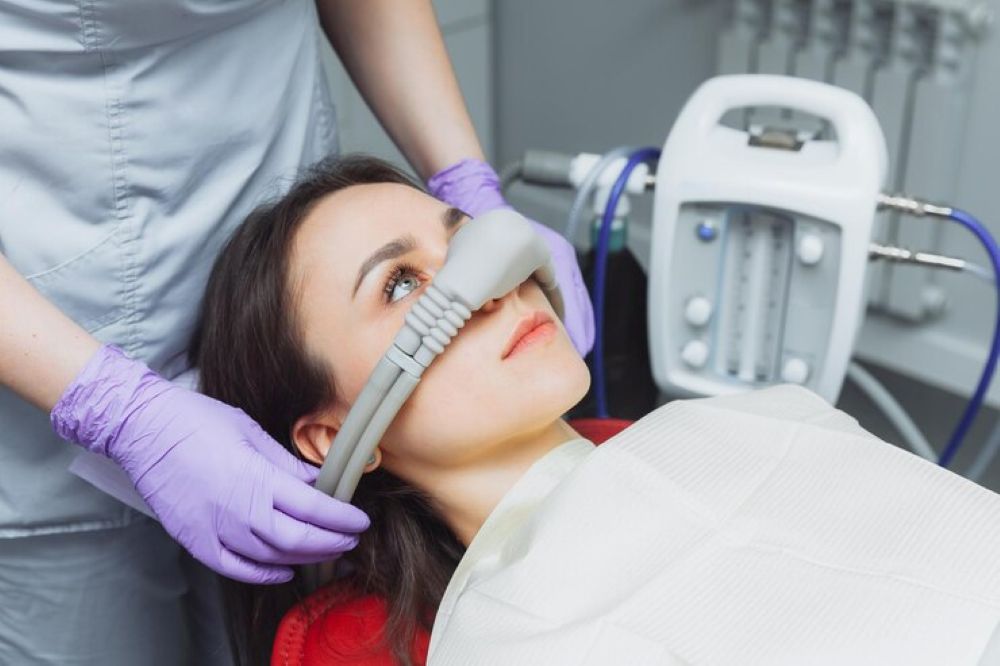
- Nitrous oxide is inhaled through a small mask.
- IV sedation is administered directly into a vein for stronger and faster effects.
During this time, the dental team monitors your vital signs to ensure safety.
Step 3: During the Procedure
Once the sedation takes effect, you may feel very relaxed, drowsy, or even lightly asleep. The dentist can then carry out procedures such as:
- Tooth extractions
- Root canal therapy
- Dental implants
- Crowns or fillings
Benefits of sedation dentistry:
- Reduces anxiety and fear
- Minimizes pain and discomfort
- Allows longer procedures to be completed in one visit
- Helps patients who have a strong gag reflex or dental phobia
The exact experience depends on the type of sedation. Some patients remain conscious but deeply relaxed, while others may have little to no memory of the procedure.
Step 4: Recovery After Sedation
After the procedure, the effects of sedation gradually wear off. How long sedation lasts after dental procedures varies depending on the type:
- It can take several hours for oral sedatives to wear off completely.
- When the mask is removed, nitrous oxide wears off quickly.
- Due to IV sedation, it may take a couple of hours to feel completely awake.
You’ll stay in a recovery area until your vitals return to normal. After sedation, it’s best not to drive or operate machinery. You’ll need a friend to take you home.
Tips for a smooth recovery:
- Avoid alcohol or strenuous activity for the rest of the day.
- Follow all post-procedure instructions provided by the dentist.
- Take pain relief medications as prescribed.
Step 5: Follow-Up and Long-Term Care
After your sedated dental procedure, your dentist may schedule a follow-up appointment to evaluate the healing process and ensure everything is going well. The check-ups help ensure the successful treatment and let your dentist fix any concerns and minor changes if required. Going to the dentist even after having sedation procedures done is important for your long-term dental health. It also allows for the early detection of any problems with your teeth. Moreover, it keeps a smile looking strong and healthy.
Take the Stress Out of Your Next Dental Visit!
Sedation dentistry allows patients to receive necessary dental care without fear or discomfort. From arrival to recovery, each step is carefully managed to ensure safety, comfort, and a positive experience.
If you’ve been delaying dental care due to anxiety or fear, it’s time to take action. Book a consultation at Centre Mall Dental to discuss sedation options and get the care you need in a calm, stress-free environment.
FAQs
- Is sedation dentistry safe for children and adults?
Yes. Dentists carefully review medical history and monitor patients throughout the procedure, making sedation safe for most people.
- Can I eat or drink before sedation?
Depending on the type of sedation, you may be asked to avoid food or drink for a few hours beforehand to prevent nausea.
- Will I remember the procedure?
Some sedation methods, like IV sedation, may cause partial or full amnesia, meaning you might not remember the procedure at all.
- How quickly can I return to normal activities?
Nitrous oxide patients can usually resume activities immediately. Oral or IV sedation may require several hours of rest at home.